No Gun Signs in North Carolina: What Concealed Carriers Need to Know
What does a "No Firearms" sign mean in North Carolina? Learn how posted private-property restrictions affect concealed carry and why knowing the law matters.
No Gun Signs in North Carolina: What Concealed Carriers Need to Know
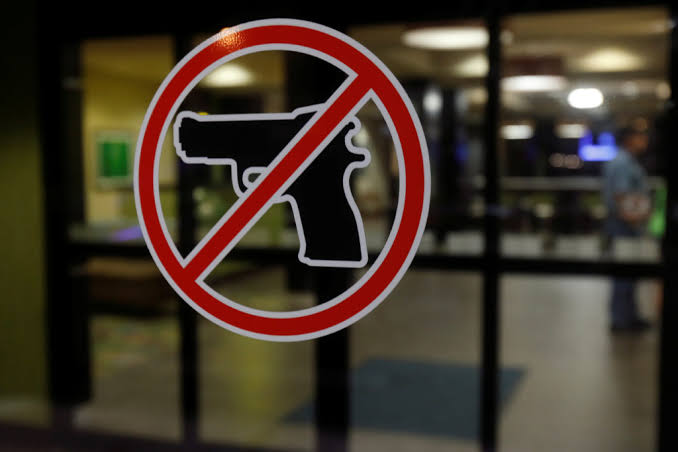
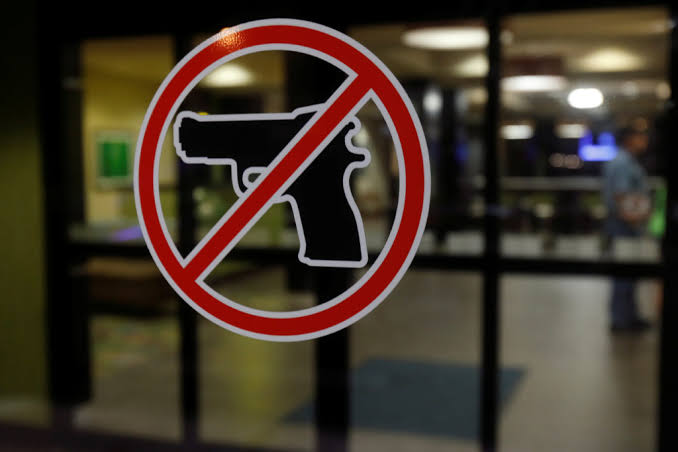
You walk into a business and see it.
A small sign on the door.
NO FIREARMS.
Maybe it's a symbol. Maybe it's a statement. Maybe it's buried among several other signs you barely notice.
If you carry concealed, what do you do?
Ask around in most concealed carry circles about what to do when you hit that sign and you'll probably get one of three answers:
"The sign isn't law. Ignore it."
"What they don't know can't hurt them."
"Better to be judged by twelve than carried by six."
I get all three.
I've felt all three.
But the real question isn't what makes us feel the most comfortable.
What's actually right—and what does North Carolina law say?
First, Let's Separate the Law From the Opinions
This is where concealed carry conversations can get confusing.
People often repeat something they heard from a friend, someone at the range, or a social media post. Sometimes that information is accurate. Sometimes it's based on an old version of the law. Sometimes it's another state's law being applied to North Carolina.
That's why responsible concealed carriers need to start with the actual law.
In North Carolina, a concealed handgun permit generally authorizes concealed carry unless specifically prohibited by law. But the law also establishes locations where concealed carry is prohibited.
And one of those provisions specifically addresses private premises with posted notice.
Under G.S. 14-415.11(c)(8), a concealed handgun permit does not authorize carrying a concealed handgun:
on private premises where notice that carrying a concealed handgun is prohibited has been conspicuously posted by the person in legal possession or control of the premises.
That's an important distinction.
The question isn't simply:
"Is the sign technically a law?"
The better question is:
"Does North Carolina law recognize that posted notice as a restriction on my concealed carry?"
For a permit holder on covered private premises, the answer is yes.
"But It's Private Property..."
Exactly.
A business open to the public may be private property.
The owner or person legally controlling that property generally has authority to establish rules for people who enter it, subject to applicable law.
If a private business conspicuously posts that concealed handguns are prohibited, North Carolina law specifically addresses that situation.
So the argument:
"It's private property, but they can't tell me what to do because I have a permit."
isn't a sound way to approach the issue.
Your permit gives you legal authority to carry in places where the law allows it.
It doesn't give you unrestricted access to every private property with a firearm.
What Happens If You Ignore the Sign?
This is where the conversation gets more serious.
North Carolina law provides that a permit holder who carries a concealed handgun in violation of G.S. 14-415.11(c)(8) commits an infraction and may be required to pay a fine of up to $500. The statute also provides that the permit may be surrendered in lieu of paying the fine.
That's very different from saying:
"It's not a big deal."
It may not be a felony simply because you walked into a posted private business carrying concealed, but that doesn't mean there are no consequences.
And there is another consideration:
The law isn't the only issue.
A property owner may also ask you to leave.
If you refuse to leave after being directed to do so, you can potentially create an entirely different legal problem.
That's why the smart concealed carrier doesn't base decisions on:
"What's the absolute minimum I can get away with?"
The better question is:
"What does the law require, and what is the responsible decision?"
What About "They'll Never Know"?
This is probably the most common argument.
"It's concealed. Nobody knows I'm carrying."
That's true—until it isn't.
A concealed firearm can become known for any number of reasons:
Someone sees it accidentally.
You have to adjust your clothing.
You encounter law enforcement.
An emergency occurs.
You're involved in an incident.
Someone reports seeing a firearm.
You shouldn't build your carry decisions around the assumption that nobody will ever find out.
Responsible concealed carry means being prepared for the possibility that your decisions will eventually be examined.
What About "Better to Be Judged by Twelve Than Carried by Six"?
This phrase gets repeated constantly in firearm circles.
And there's a legitimate emotion behind it.
People carry firearms because they want to be prepared to protect themselves and their families.
But here's the problem:
It isn't a legal strategy.
It doesn't tell you whether you're legally allowed to carry in a particular location.
It doesn't tell you what restrictions apply to that property.
And it doesn't tell you what consequences you could face for violating a law.
There are places where carrying a firearm is legally prohibited regardless of how strongly you feel about self-defense.
North Carolina law specifically identifies numerous prohibited locations, including certain government facilities, law enforcement and correctional facilities, and areas covered by other state or federal restrictions.
So responsible carry requires more than a slogan.
It requires knowledge.
What Should You Do When You See a No-Gun Sign?
For a North Carolina concealed carrier, the safest approach is straightforward:
1. Read the sign.
Don't ignore posted notices simply because they're inconvenient.
2. Determine what kind of property you're entering.
Private business? Government property? School property? Restaurant? Event venue?
The location matters because different laws can apply.
3. Know whether the restriction applies to you.
Don't assume every sign has exactly the same legal effect in every situation.
4. If you're unsure, don't guess.
Research the current North Carolina statute or seek qualified legal advice.
5. Have a plan before you arrive.
If you regularly carry concealed, think ahead about places you frequent that prohibit firearms and know what your lawful options are for securing your firearm.
That is much better than standing in a parking lot trying to figure it out after you've already arrived.
There's a Bigger Lesson Here
Concealed carry isn't just about carrying a firearm.
It's about responsibility.
That means knowing:
Where you're legally allowed to carry
Where you're prohibited from carrying
How private-property restrictions work
How to safely secure your firearm when necessary
Your responsibilities when interacting with law enforcement
The current laws governing concealed carry
When you need to ask a qualified professional for clarification
The goal isn't to find loopholes.
The goal is to know the rules well enough to make good decisions.
Don't Let Facebook Be Your Legal Source
One of the biggest problems we see in firearm communities is outdated information.
Someone posts:
"You can carry there."
Someone else responds:
"No, that's illegal."
Then someone else posts a screenshot from a law written ten years ago.
And suddenly everybody has an opinion.
That's not how you should learn concealed-carry law.
North Carolina's statutes change. Interpretations can change. Individual circumstances matter.
As of this writing, North Carolina's current concealed-handgun statute specifically addresses posted private premises and imposes restrictions beyond simply looking for a sign on a door.
If you're carrying concealed, make staying current part of your training.
The Bottom Line
When you encounter a No Firearms sign, don't automatically think:
"It's not law, so I can ignore it."
And don't rely solely on:
"What they don't know can't hurt me."
Instead, stop and ask:
What does the current law say about this location?
Does the restriction apply to me?
What are my lawful options?
That's the mindset of a responsible concealed carrier.
At Marksmen Market, we believe firearm training shouldn't stop when you leave the classroom. Understanding the laws, responsibilities, and decision-making that come with carrying is part of being prepared.
Know the law. Know your responsibilities. Make informed decisions.
This article is for general educational purposes and is not legal advice. North Carolina firearm laws can change, and individual circumstances can affect how a law applies. Consult the current North Carolina General Statutes or a qualified attorney for advice about your specific situation.